
Whoa, this caught me off-guard. I was poking around Solana wallets late last week when I noticed somethin’ different. My first impression was simple curiosity about extensions that actually feel secure enough for daily use. I tried a few, and some were clunky or confusing for newcomers, which bugs me. Initially I thought all browser wallets were roughly the same, but after testing transactions, connecting dApps, and assessing UX, I realized there are meaningful differences that affect real-world usability and safety.
Seriously, here’s the thing. Phantom stands out in the Solana space for being fast and streamlined. Its design makes on-chain interactions feel lighter compared to some desktop wallets. That smoothness matters when you’re swapping, staking, or approving many transactions. On one hand the extension’s simplicity reduces friction for newcomers, though actually deeper trade-offs exist around permission granularity, account management, and extension-level risks that I want to unpack.
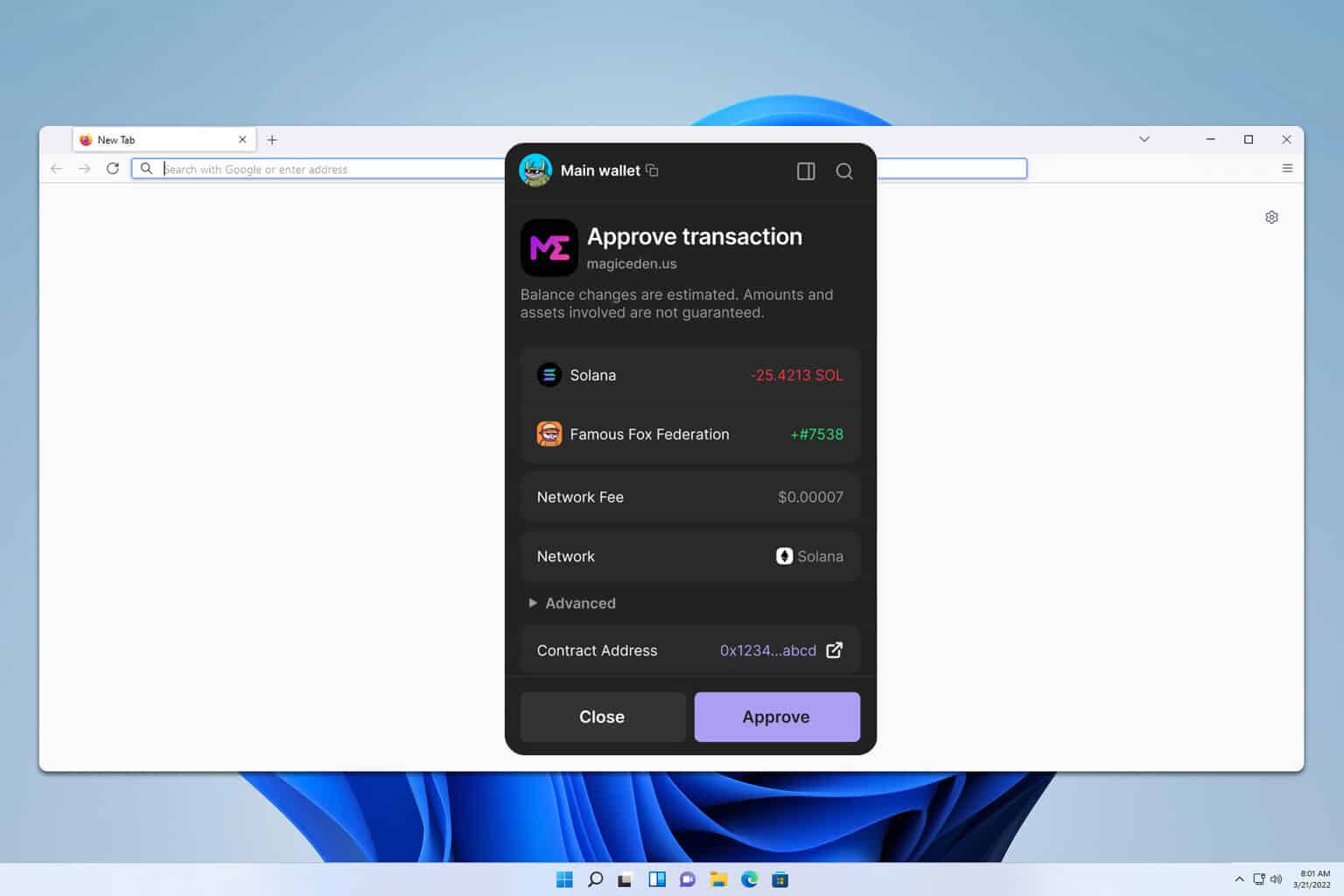
Hmm… my instinct said proceed cautiously. Extensions are convenient because they live in your browser and talk directly to dApps. They also amplify attack surface — so you need to think about permissions, phishing, and backups. Here’s what bugs me about some wallet extensions: they over-request permissions or blur signing details (oh, and by the way…). Initially I treated permissions as checkbox items, but after watching a few transaction approvals on testnets I realized that granular prompts and clear signing metadata actually prevent user mistakes and reduce social engineering risk.
Okay, so check this out— I was timing flows to see where users slow down. Installing a browser wallet feels small, but it shapes how you use Solana. Between speed, UX, and security, the extension you pick influences day-to-day crypto habits. I set up multiple wallets across Chrome and Brave, toggling networks and testing recovery flows. Because I wanted a reproducible comparison, I recorded steps like seed-phrase backup, custom RPC changes, and dApp flows so I could measure real friction and note where guides fail users.
Why I recommend Phantom
I’ll be honest. The phantom wallet extension balances usability and sensible security defaults for most users. Seed phrase import, hardware wallet support, and clear signing prompts are all present. I liked how it surfaces token info and transaction details without spamming confirmations. Though I’m biased toward workflows that minimize cognitive load, it’s worth noting that no extension is perfectly safe from browser-level compromises, and users should pair extensions with hardware keys for high-value accounts whenever possible.
Something felt off about single-point reliance… Initially I thought browser wallets were fine alone, but then test scenarios changed that view. Actually, wait—let me rephrase that: they are fine for low-value activities and testing. On the other hand, layering a hardware signer and following phishing hygiene will save headaches later. If you’re getting started, try small transfers first, keep your recovery phrase offline, use known RPC endpoints, and consider a dedicated browser profile for crypto so you reduce cross-site contamination and keep your everyday web browsing separate.
Common questions
How do I install a wallet safely?
Use the browser’s official store when possible, double-check the publisher name, and avoid third-party installers; start with a small amount, test a transfer, and then scale up once you’re comfortable.
Can I use a hardware wallet with an extension?
Yes — most modern extensions support hardware signers; pair them and treat the extension like a convenient UI while keeping the hardware for final approvals on bigger transactions, which is very very important.